
The Best Smartphone Features You Should Look for in 2026
Buying a new smartphone is no longer just about choosing between a good camera and a large screen. Phones have become powerful everyday tools for work, entertainment, photography, communication, and even managing other smart devices.
With so many models available in 2026, it can be difficult to know which features actually matter and which ones are mostly marketing. A phone may have an impressive list of specifications, but that does not automatically make it the right choice.
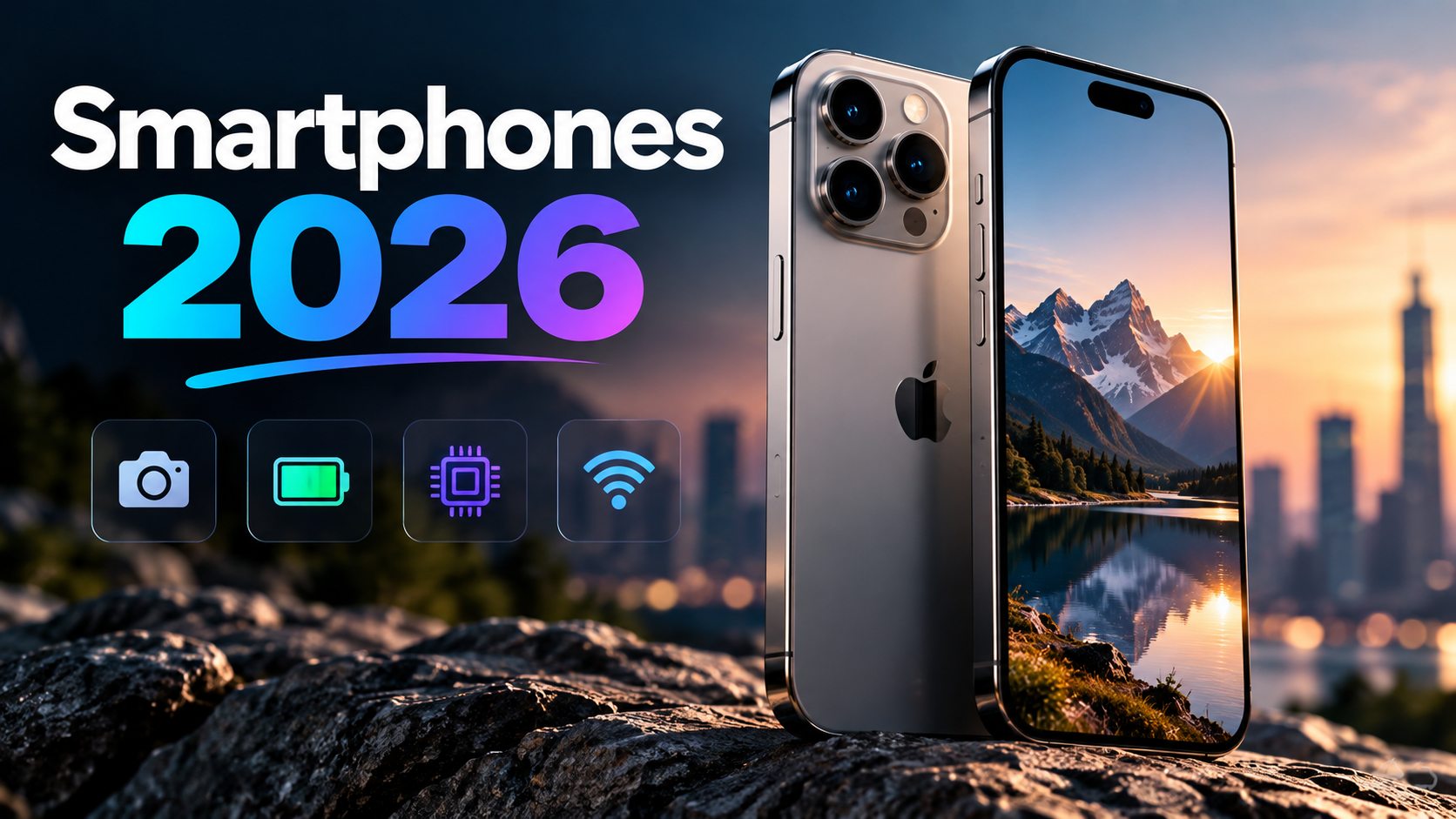
The best approach is to focus on features that will make your phone faster, more reliable, easier to use, and useful for years to come.
Here are some of the best smartphone features to look for in 2026 before making your next purchase.
1. A Fast and Efficient Processor
The processor is one of the most important parts of a smartphone because it affects almost everything you do. From opening apps and editing photos to playing games and using AI-powered features, a capable processor can make a noticeable difference.
In 2026, it is worth looking beyond simple processor speed. Modern smartphone chips are increasingly designed to handle artificial intelligence tasks directly on the device. This can improve features such as image processing, voice recognition, translation, photo editing, and other smart functions.
A good processor should also be efficient. A chip that delivers strong performance while using less power can help your phone stay responsive without draining the battery too quickly.
If you plan to keep your smartphone for several years, choosing a recent-generation processor is generally a smarter investment than buying an older flagship simply because it has a lower price.
2. A High-Quality Display
The display is something you interact with every time you use your phone, so it deserves more attention than many buyers give it.
A good smartphone in 2026 should ideally have a bright, sharp display with smooth scrolling. OLED and AMOLED panels are particularly popular because they can produce deep blacks, strong contrast, and vibrant colors.
Refresh rate is another feature to consider. A higher refresh rate can make scrolling, animations, and supported games feel noticeably smoother.
Brightness also matters, especially if you regularly use your phone outdoors. A display that looks great inside a room can become difficult to read under strong sunlight.
Rather than focusing only on screen resolution, consider the complete display experience: brightness, refresh rate, color quality, size, and outdoor visibility.
3. A Camera System That Works in Real Life
Smartphone cameras have improved dramatically, but more cameras do not necessarily mean better photography.
In 2026, computational photography and AI-powered image processing are becoming just as important as the camera hardware itself. A good phone should be able to produce clear and natural-looking photos in different lighting conditions without requiring complicated settings.
Pay attention to the main camera first. It is usually the camera you will use most often. If photography is important to you, also look for a useful ultrawide camera and a quality telephoto camera rather than choosing a phone simply because it has a high megapixel number.
Video capabilities are worth checking too. Stabilization, low-light video, microphone quality, autofocus, and recording options can make a much bigger difference than specifications alone suggest.
4. Long Battery Life
A powerful phone is not very useful if you constantly have to search for a charger.
Battery life should be one of the main considerations when choosing a smartphone in 2026. While battery capacity is important, software optimization and processor efficiency also play a major role in determining how long a phone lasts.
Fast charging is another useful feature. Being able to quickly add enough battery for several hours of use can be extremely convenient when you are in a hurry.
Wireless charging can also be helpful if you prefer a cable-free setup, although it is not essential for everyone. The ideal smartphone should comfortably get you through a normal day without forcing you to carry a charger everywhere.
5. Enough RAM and Storage
Apps are becoming larger and more demanding, while photos and videos continue to consume more storage.
For that reason, buying a phone with enough memory and storage is important if you want it to remain comfortable to use for several years.
More RAM can help when switching between multiple applications, while larger storage gives you room for photos, videos, games, documents, and offline content.
Storage speed matters as well because faster storage can contribute to quicker app launches and smoother overall performance.
If you take lots of photos or record high-quality video, choosing additional storage at the time of purchase can save you from constantly deleting files later.
6. Strong Software Support
One feature that is often overlooked when buying a smartphone is how long the manufacturer plans to support it. A phone may have excellent hardware, but regular software and security updates are important for keeping it secure and useful over time.
In 2026, buyers should pay close attention to a manufacturer’s update policy. Longer software support can make a smartphone a much better long-term investment.
It can also help your phone receive new features, improvements, and compatibility updates rather than becoming outdated after only a couple of years. For people who keep their phones for a long time, software support may be just as important as the camera or processor.
7. Useful AI Features
Artificial intelligence has become a major part of the smartphone experience. However, not every AI feature is equally useful. Instead of looking for a phone with the biggest list of AI tools, think about whether those features actually improve your daily routine.
Useful examples can include smarter photo editing, real-time translation, voice transcription, writing assistance, call-related features, image search, and intelligent organization of information.
On-device AI can also provide benefits for privacy and speed because some tasks can be processed directly on the smartphone instead of always relying on a remote server. The best AI features should feel like helpful tools rather than unnecessary extras.
8. Durable Design and Water Resistance
Smartphones are expensive, so durability matters. A strong frame, quality glass, and good protection against dust and water can reduce the chances of serious damage from everyday accidents.
Water and dust resistance is particularly useful because phones are regularly exposed to rain, spills, kitchens, beaches, and other environments where electronics can be vulnerable.
A durable phone may cost more initially, but it can potentially save money over time by reducing repair or replacement costs. A protective case and screen protector are still good ideas, even when a phone already has a durable design.
9. Modern Connectivity
Connectivity is another feature that can make a smartphone feel outdated surprisingly quickly. When choosing a phone in 2026, make sure it supports the latest network and wireless standards that are relevant to your area and carrier.
Fast cellular connectivity is important, but Wi-Fi performance, Bluetooth support, NFC, and other connection features can matter just as much depending on how you use your device.
For example, someone who frequently uses wireless headphones, smartwatches, mobile payments, or other connected devices should make sure the phone offers reliable support for those technologies.
10. A Comfortable and Practical Design
Specifications are useful, but your smartphone is something you physically hold every day. A phone can have an incredible camera and processor but still feel uncomfortable if it is too heavy, too large, or awkward to use with one hand. Before buying, consider the size, weight, button placement, grip, and overall design.
Some people prefer large screens for watching videos and working, while others want a smaller phone that fits easily into a pocket. There is no single perfect smartphone size. The best choice depends on how you actually use your phone.
Don’t Pay for Features You Don’t Need
One of the biggest mistakes smartphone buyers make is assuming that the most expensive phone is automatically the best option.
It is easy to get distracted by features that sound impressive but have little impact on your daily experience. For example, you may not need an advanced telephoto camera if you rarely take zoomed photos. You may not need an extremely powerful gaming processor if you mainly use social media, messaging, and streaming apps.
Instead, think about your priorities. If you take lots of photos, invest in camera quality. If you travel frequently, battery life and durability may matter more. If you work from your phone, look for a strong processor, good display, long software support, and enough storage.
The best smartphone is not necessarily the one with the longest specification sheet. It is the one that fits your needs.
Final Thoughts
Choosing a smartphone in 2026 is about much more than comparing megapixels, RAM, or processor numbers. A great phone should offer a strong combination of performance, display quality, camera capabilities, battery life, software support, AI features, durability, and connectivity.
More importantly, these features should work together to create a smooth everyday experience. Before buying your next smartphone, make a list of the things you actually do with your current phone and identify what you wish were better. That will help you spend money on features that genuinely matter instead of paying extra for specifications you may never use.
Technology will continue to improve, but the smartest purchase is still the same: choose the phone that works best for you, not simply the phone with the biggest numbers.
